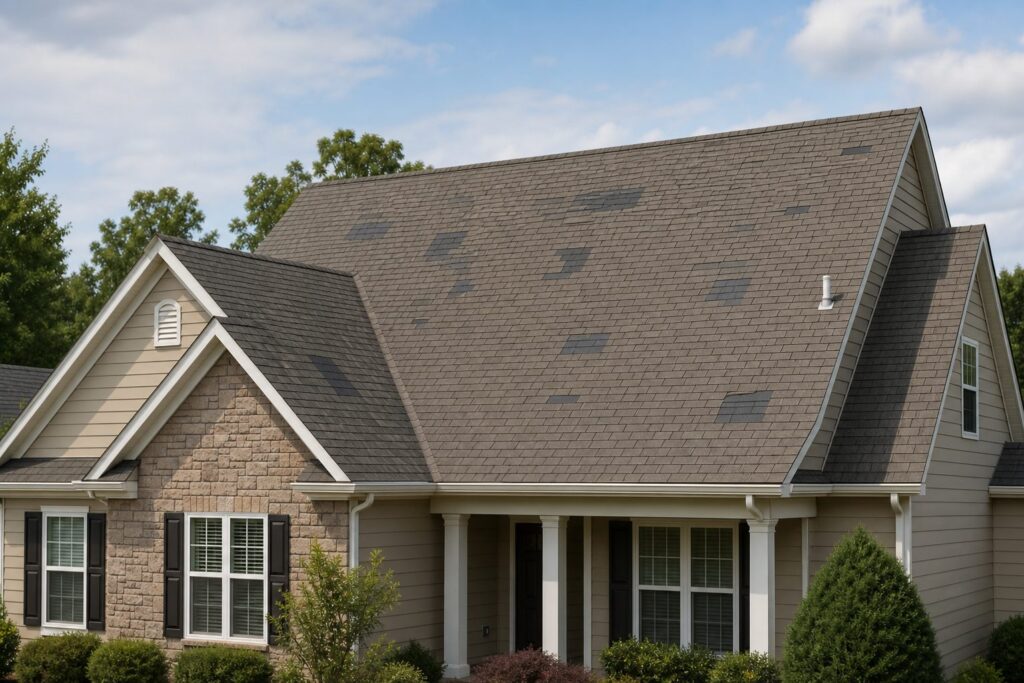
Storm Damage Repair in Tampa, FL
Harbor Test Roofing serves Tampa homeowners with storm damage repair focused on thorough inspection and clear communication. You receive straightforward explanations at every step to understand the work needed for your roof.
This service covers careful repair of damage caused by storms, using quality materials to restore roof protection. Homeowners in Tampa count on reliable solutions tailored to the effects of severe weather.
Identifying Roof Damage
Storm damage repair involves assessing visible and hidden damage to your roof's materials and structure. The work includes checking shingles, flashing, gutters, and underlayment for tears, breaks, or looseness. Repair methods depend on the damage type and extent, focusing on restoring the roof's ability to shed water and resist further deterioration. This service differs from full roof replacement by targeting damage repair without removing all roofing materials. You can expect material removal where necessary, replacement of compromised elements, and sealing to prevent leaks. Careful documentation and communication help you follow what is done and why during each phase of the repair.
Factors Affecting Cost
The cost of storm damage repair depends on several factors affecting the scope of work. The size and pitch of your roof influence labor and materials required. The severity and location of damage determine whether minor repairs or larger sections need replacement or reinforcement. Materials used, such as asphalt shingles or metal components, impact overall expenses because some require more care or special handling. Accessibility and roof complexity also affect how much work goes into the project. These drivers together shape repair costs rather than any set price or specific rate structure.
Scheduling and Duration
Scheduling storm damage repair depends on how extensive the damage is and material availability. A roofing professional typically contacts you to arrange an inspection after your initial request. The length of repair work varies by damage extent and weather conditions affecting safety and drying times. Work includes removal of damaged parts, repairs, cleanup, and final inspection. Planning considers minimizing disruption to your daily routine and aligning with current weather for effective repairs.
Proof of Quality
There are no specific credentials or reviews available in the licensed facts or reviews for this business concerning storm damage repair. Homeowners should seek clear communication and observable care during the work as quality indicators.
Signs of Storm Harm
These signs indicate potential roof damage from storms requiring repair attention.
- Missing shingles. Shingles that have blown off expose the roof to water and can cause leaks.
- Broken tiles. Cracks or pieces of roofing tiles can lead to water penetration beneath the roof.
- Loose flashing. Flashing that is bent or detached reduces protection around roof edges and vents.
- Water stains. Discoloration inside your home can signal water getting through damaged roofing.
- Punctures or holes. Visible holes or punctures in roof material open paths for leaks and structural issues.
- Granule loss. Shingles losing granules might look worn and no longer protect the roof surface well.
Storm Damage Causes
Several common forces from storms typically cause roof damage that needs repair.
- High winds. Strong gusts can lift or tear off shingles and other roofing components.
- Heavy rain. Intense rainfall can exploit weak spots, leading to leaks and water intrusion.
- Falling debris. Branches and other objects striking your roof may cause punctures or cracks.
- Hail impact. Hailstones can crack shingles, dents in metal, or loosen seals around vents.
- Snow and ice. Accumulation can stress roofing materials and cause ice dams that trap moisture.
Inspection and Repair Steps
Step one: Schedule a roof inspection to document storm damage.
Step two: Check all roofing components for visible and hidden problems.
Step three: Remove damaged shingles, flashing, and other affected materials.
Step four: Replace or repair compromised areas with matching materials.
Step five: Seal repaired parts to prevent leaks and water intrusion.
Step six: Clean up debris and ensure job site safety.
Step seven: Walk through repairs with you to explain what was done.
Common Repair Pitfalls
Avoid these mistakes that can make storm damage worse before professional help arrives.
- Delaying repair. Waiting too long can worsen leaks and damage underlying roofing structure.
- DIY patching. Temporary fixes may not last and can hide serious problems needing professional care.
- Ignoring inspections. Skipping thorough checks risks missing hidden damage that can grow over time.
- Using mismatched materials. Inconsistent roofing parts reduce durability and may cause water entry points.
- Poor cleanup. Leaving debris on your roof or gutters can cause drainage problems and further damage.
Preventative Roof Care
Follow these maintenance habits to reduce the need for future storm damage repairs.
- Regular roof inspections. Check your roof at least twice a year to spot damage early.
- Trim overhanging trees. Keep branches clear to prevent falling debris from damaging roofing.
- Clean gutters often. Clear gutters to ensure water flows away properly without backing up.
- Secure loose shingles. Replace or fix any shingles that are cracked, missing, or loose.
- Remove debris promptly. Clear leaves, branches, and other debris after storms to avoid water blockages.
Common questions
A professional inspection identifies damage extent and whether repairs suffice or replacement is necessary.
Expect an inspection, removal of damaged parts, repairs or replacements, cleanup, and a final walkthrough.
Repairs usually allow you to stay on site with minor disruptions limited to work areas.
High winds, hail, falling debris, heavy rain, and ice accumulation typically cause storm damage.
You should schedule as soon as possible after damage is noticed to prevent worsening and leaks.
Ready when you are
Request a Roofing Service
Contact Harbor Test Roofing Bold for a detailed roof inspection or repair service. We will explain options and help you plan the next steps.